
Works in an apartment building: the role of the syndic and co-owners in Morocco
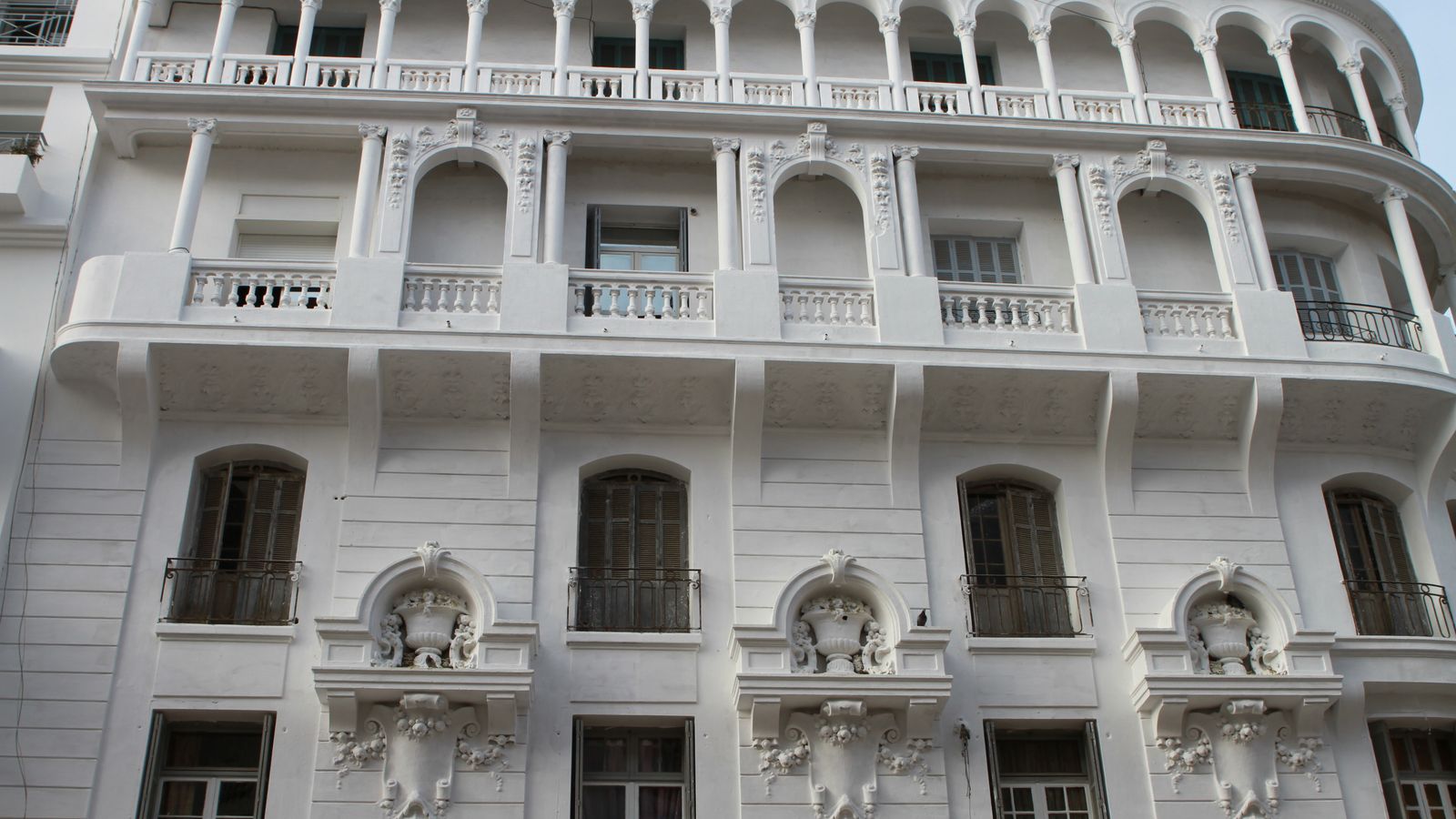
Photo : Dr. Didier Hinz · BY-SA 3.0
Updated 2026-10-27
A leak in the shared water riser, a roof terrace that lets water in every winter, a stairwell that needs repainting, a lift that keeps breaking down: in an apartment building, these jobs do not concern one flat but everyone. And that is where it gets complicated. Who decides? Who pays? Do you need a general assembly to replace the entrance door? This guide, for expats, Moroccans abroad and anyone who owns a flat in Morocco, summarises what the Moroccan co-ownership law provides (law 18-00, amended by law 106-12) and, above all, how to get a project moving when twenty families live under the same roof.
Common part or private part?
This is the first question, because it decides everything else. Law 18-00 presumes that the parts of the building that serve everyone are common, unless the co-ownership rules (règlement de copropriété) say otherwise. What is inside your flat and serves only you is private.
- Common: the land, foundations, structure (load-bearing walls, columns, slabs), roof and roof terrace, facades, stairwell, lobby, lift, water and drainage risers, ducts, water tank and booster pump, bin store, shared parking
- Private: interior partitions, tiling, paint, plumbing and electrics beyond your flat's meter or stop valve, bathroom fittings, kitchen
- Frequent grey areas: the balcony (its slab and outer railing are usually common, its floor private), windows and shutters (usually private but their outside appearance is regulated), the roof terrace used exclusively by the top floor (its waterproofing stays common)
What the syndic does, and what it cannot do alone
The syndic (a volunteer co-owner or a professional firm) is the agent of the co-owners' association. Its role, set by law, is to carry out the general assembly's decisions, maintain and preserve the common parts, prepare the budget, keep the accounts in a separate bank account and represent the building.
In practice, it can order small maintenance repairs within the voted budget on its own: a leak on the shared riser, a stairwell light, a lift call-out, cleaning the water tank. Anything beyond routine maintenance must be voted by the general assembly. A syndic that signs a facade renovation or a new waterproofing alone takes on personal liability, and co-owners can challenge the expense.
- Small maintenance jobs: the syndic decides and pays from the voted budget
- Major necessary works (waterproofing, structural repair, safety): vote at the general assembly
- Improvement works (new lift, intercom, automatic gate, decorative facade work): vote with a reinforced majority
- Emergency (collapse, major leak, electrical hazard): the syndic can act immediately to make things safe, then reports to the next assembly
The majorities under law 18-00
The general assembly meets at least once a year. Each co-owner votes with a number of votes proportional to their tantièmes (their share of the building, stated in the rules). Depending on the type of decision, the law requires a different majority. Always check your own rules, which may be stricter.
- Absolute majority of votes present or represented: annual budget, approval of accounts, appointment of the syndic, maintenance and preservation works
- Majority of co-owners holding at least two thirds of the tantièmes: improvement works, changes to the co-ownership rules, acts affecting the common parts
- Unanimity: change of the building's use, change in the distribution of tantièmes
- Works affecting a co-owner's rights over their own lot (running a duct through their flat, for example): their express consent on top of the vote
Who pays for what?
The basic rule: general charges (structure, facades, stairwell, insurance, syndic fees) are shared among everyone according to tantièmes. Special charges, tied to equipment that only serves some owners, are shared among those who benefit: the lift, for example, is often weighted towards upper floors, or not charged to the ground floor at all if the rules say so.
The law does not make a works fund compulsory, but it is the difference between a building that votes a waterproofing job in March and does it in April, and one that waits three winters. Many syndics propose a dedicated annual contribution, kept in the building's separate account.
- A co-owner who does not pay their charges can face a payment order, and the association has a lien on their lot
- A leak from a private pipe in the flat above is the upstairs owner's cost; one from the shared riser is the building's
Getting a shared project done without burning out
The law says who votes, not how to convince twenty neighbours. Here is the method that works best, whether you are a volunteer syndic or simply a co-owner tired of the leaking terrace.
- Document: dated photos and, for a serious problem (cracks, repeated water ingress), a report from an engineering office or a bailiff's statement
- Get three comparable quotes with the same specification, so the assembly compares prices rather than promises. On AloAji, search the trade (mason, plumber, painter, electrician) and your city, then call or WhatsApp directly, free of charge
- Put the item on the agenda of the meeting notice, with the quotes attached: a decision on a topic not on the agenda can be cancelled
- Sign a written quote with guarantees, especially for waterproofing: ask for a written warranty and a handover date, then an inspection after the first winter
Works you cannot do alone, even inside your flat
Even inside their own flat, a co-owner cannot touch the common parts without authorisation. The most frequent disputes in Morocco revolve around the facade and the structure.
- Fitting an air-conditioner unit on the facade, enclosing a balcony with aluminium, putting up a sign: assembly authorisation required, even if the balcony belongs to your lot
- Opening a load-bearing wall to enlarge the living room: compulsory technical study, assembly vote, and usually a permit from the commune
- Taking over a landing, part of the terrace or a shared room: prohibited without an assembly decision, and the syndic or any co-owner can sue
FAQ
Can the syndic start works without a general assembly?
Yes for routine maintenance within the budget and for safety emergencies. No for major works such as full waterproofing, a facade renovation or a new lift: those must be voted by the general assembly.
What majority is needed to vote roof terrace waterproofing?
It is preservation work on the building: an absolute majority of votes present or represented is normally enough. If the co-ownership rules require a larger majority, the rules apply.
A leak from my upstairs neighbour damaged my ceiling, who pays?
If the leak comes from their private installations (trap, hose, water heater), they do. If it comes from a shared riser or the terrace waterproofing, the co-ownership does. Have a plumber document it quickly and, if needed, an expert.
Can I refuse to pay for works I did not vote for?
No. A decision validly voted binds all co-owners, including absentees and those who voted against. You can challenge the decision in court within the legal deadline if the assembly was irregular.
What if the building has no syndic?
The law requires one. One or more co-owners call an assembly by registered letter, elect a syndic (often a volunteer) and set a contribution. Failing that, a co-owner can ask the court to appoint a judicial syndic.
Sources
- https://www.ancfcc.gov.ma/media/8849/dahir-n-1-02-298-du-25-rejeb-1423-3-octobre-2002-portant-promulgation-de-la-loi-n-18-00-relative-au-statut-de-la-copropri%C3%A9t%C3%A9-des-immeubles-b%C3%A2tis-tel-qu-il-a-%C3%A9t%C3%A9-modifi%C3%A9-et-compl%C3%A9t%C3%A9.pdf
- https://reaconsult.ma/tendances-et-conseils-en-immobilier/loi-18-00-copropriete-maroc-guide-complet-2026
- https://reaconsult.ma/tendances-et-conseils-en-immobilier/travaux-parties-communes-copropriete-maroc-autorisations-sanctions-jurisprudence