
How to find a tiler in Morocco: tiles, zellige and marble
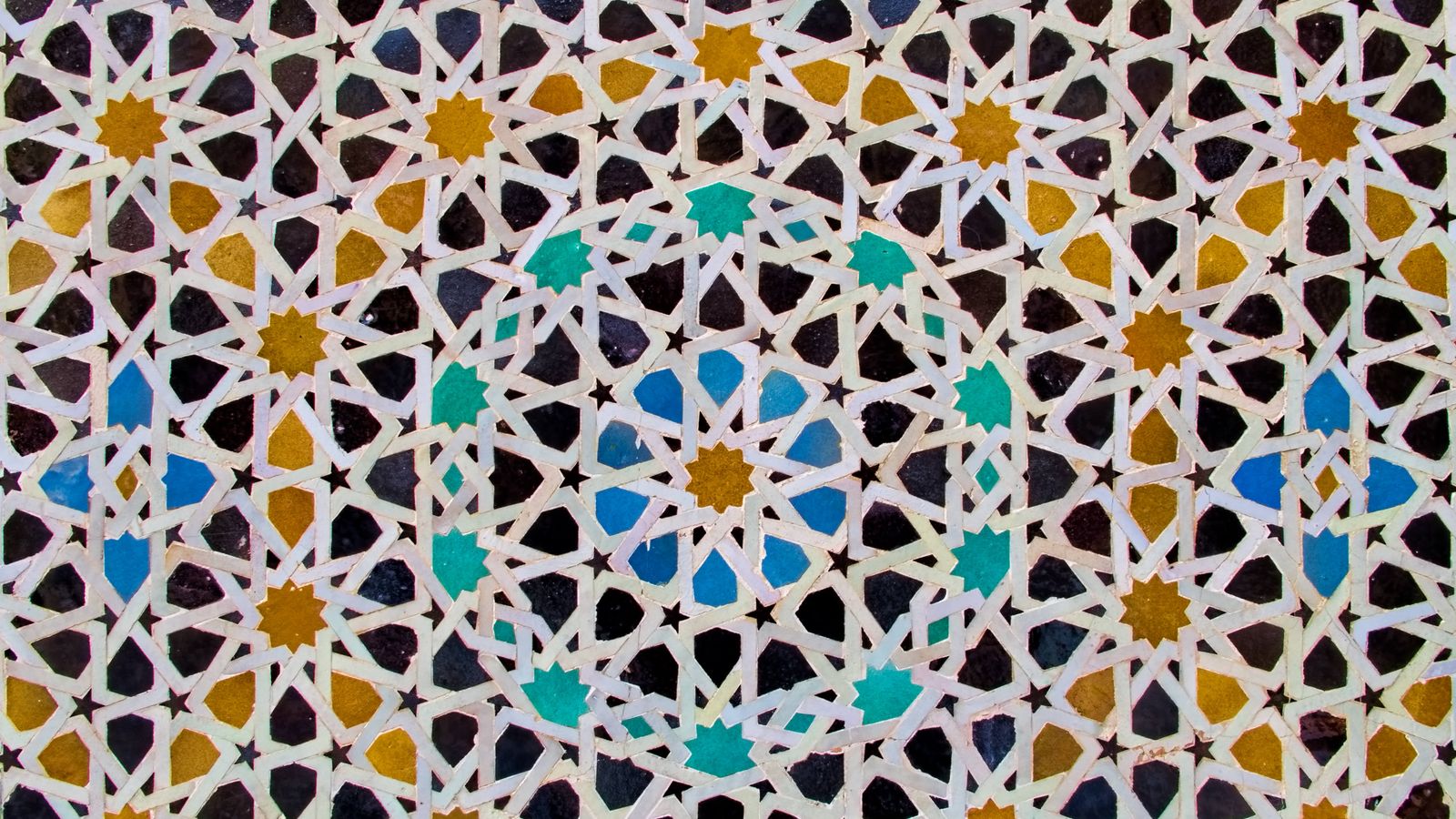
Photo : Dan Lundberg · BY-SA 2.0
Updated 2026-10-19
From simple porcelain floors to hand-cut zellige fountains, tiling is everywhere in Moroccan homes. It is also one of the jobs where good and bad work look very different after a year. Whether you are retiling a Casablanca apartment or restoring a riad in Fès, here is how to find the right tiler, what it costs and what to check.
Tiler, zelliger and the words to use
A tiler is a carreleur in French. In Darija many people say كارولور ("karolor") for a standard tiler, and زلايجي ("zlayji") for a craftsman who works with zellige, the traditional hand-cut glazed tiles. The Modern Standard Arabic word is مبلط (muballit).
Useful words: carrelage (tiles), zellige, marbre (marble), faïence (wall tiles), plinthe (skirting), joint (grout), ragréage (levelling screed) and étanchéité (waterproofing). Zellige work is a craft of its own: a good zlayji will show you finished fountains, walls or floors.
What tilers usually do
- Laying floor tiles, porcelain and large formats
- Wall tiles in bathrooms and kitchens
- Zellige walls, fountains, floors and staircases
- Marble floors, stairs, sills and worktops
- Removing old tiles and preparing the surface
- Waterproofing showers and terraces before tiling
- Regrouting and replacing broken tiles
- Skirting boards and finishing trims
How much does tiling cost in Morocco?
For standard tiles, labour is usually priced per m². A 2026 Moroccan survey gives about 80 to 180 MAD per m² laid, tiles not included, and another guide gives 80 to 150 MAD for standard laying. One site lists much lower rates for very simple straight layouts, so quotes can vary widely. Large formats, diagonal layouts and patterns cost more, and removing old tiles or levelling the floor is extra.
Zellige is a different budget. A 2026 guide puts laying at roughly 150 to 300 MAD per m² for classic beldi patterns, and 300 to 600 MAD or more for complex work like fountains or arches. The tiles themselves range from about 150 MAD per m² for industrial imitation to 450 to 700 MAD or more for complex handmade zellige.
Checks for tiling that lasts
Most tiling problems come from the base, not the tiles. Ask the tiler how they will prepare the surface before you discuss the pattern.
- The floor should be flat and level; use a long level to check after laying
- Showers and terraces need waterproofing under the tiles
- Floors need a slope towards drains in bathrooms and on terraces
- Buy 10 to 15% extra tiles for cuts and breakage, from the same batch
- Keep a few spare tiles for future repairs, especially zellige
- Tap tiles after laying: a hollow sound can mean poor adhesion
Zellige and marble: local tips
Real handmade zellige varies slightly in colour and thickness; that is part of its beauty, but it means laying takes longer and costs more. Be careful with very cheap "zellige" that is actually printed ceramic, and ask to see the tiles before they are laid. Marble from Moroccan quarries is widely used for stairs and floors; ask about polishing and sealing, as some marbles stain easily.
Find a tiler on AloAji
On aloaji.ma, search "Carreleur" with your city, from Casablanca and Rabat to Fès, Meknès or Marrakech, and contact tilers directly by phone or WhatsApp. It is free for clients. Read reviews and ask for photos of similar work. Profiles marked "Non vérifié" come from the business's own website and are not yet checked by AloAji.
FAQ
What is the difference between a carreleur and a zlayji?
A carreleur lays standard tiles, porcelain and often marble. A zlayji (زلايجي) is a craftsman who cuts and lays traditional zellige. Some do both, but zellige is a specialised skill.
How much does tiling cost per m² in Morocco?
Moroccan 2026 guides give roughly 80 to 180 MAD per m² for standard laying, tiles not included. Zellige laying is more, often 150 to 300 MAD per m² for classic patterns.
Can new tiles be laid over old ones?
Sometimes, if the old tiles are firmly stuck and the floor height allows it. A good tiler will check by tapping the old tiles and will tell you if removal is needed.
How do I care for zellige?
Check the grout regularly in wet areas and, for floors, reapply a water-repellent treatment every few years to keep the shine. Ask your zlayji which product suits your tiles.
How long before I can walk on new tiles?
It depends on the adhesive and grout. Ask your tiler; usually you should wait at least a day before light foot traffic and longer before heavy furniture.