
Renovating a home in Morocco from abroad without getting scammed
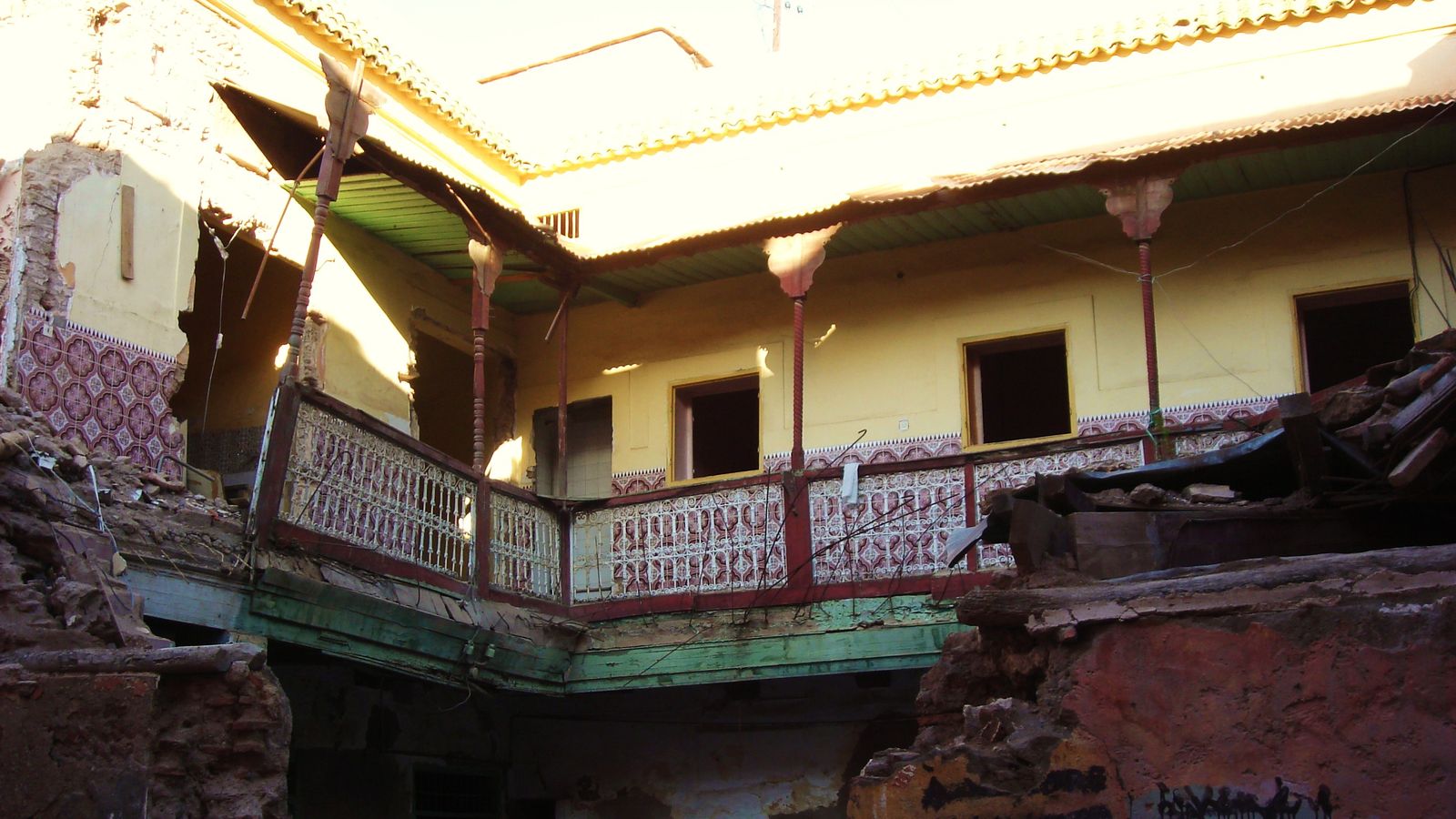
Photo : Doyler79 at English Wikipedia · BY-SA 3.0
Updated 2026-11-01
Redoing the bathroom in the family flat, finishing a floor on a house « au bled », or freshening up a holiday home before summer: many Moroccans abroad (MRE) and foreign owners manage building work from Paris, Brussels, Madrid, London or Montreal. Distance brings well-known risks: money sent without control, delays, and poor workmanship discovered on arrival. This guide gives a simple method to choose tradespeople, pin down the quote, pay in stages and follow the job remotely.
Before you start: the paperwork basics
Simple interior renovation (painting, tiling, plumbing) usually needs no special permit, though co-ownership rules may require the syndic's approval. As soon as you touch the structure, add a floor, open the facade or build something new, check with the local commune: an architect, approved plans and a permit may be mandatory.
An inspection firm that works with Moroccans abroad notes that many projects go wrong because they start without approved plans or a permit, relying only on trust in a relative. Rules vary by project, so check with the commune and an architect before sending a single dirham.
- Confirm the property is in your name (land title or deed) before investing in it
- For new builds or extensions, ask the commune what is required
- In an apartment block, tell the syndic and neighbours before noisy work
Choosing tradespeople from abroad
Family word of mouth helps, but it does not replace checks. Contact several tradespeople, do a video call and ask precise questions.
- Ask for photos and videos of recent jobs and, if possible, a past client's number
- Prefer someone who visits (or sends someone) before pricing, with photos and measurements
- For a company, ask for its ICE (business ID) and a proper invoice
- Be wary of anyone who prices over the phone without seeing the place, or who wants everything up front
A detailed quote and a written agreement
The quote (devis) is your only protection when you are not there. It should be itemised line by line and say who buys what.
A clear WhatsApp message summing up the deal is better than nothing, but a signed, dated document is better for a big job.
- List of works and quantities (m², linear metres, number of points)
- Materials with brand, reference and range (tiles, taps, cables, paint)
- Labour priced separately from materials
- Schedule with start and end dates and milestones
- Payment plan linked to progress
- Who removes rubble and who cleans up at the end
Pay in stages, never everything up front
Keep one principle in mind: money follows the work, never the other way round. A small deposit to buy materials is normal; the rest is paid when a stage is finished and checked, through dated photos or by someone you trust on site.
Pay by bank transfer or another traceable method and get a receipt each time. Large cash payments are also a problem: in Morocco, cash settlements above MAD 20,000 are restricted for businesses.
- Sample schedule: deposit for materials, then payments at the end of structural work, at the end of plumbing and wiring, and the balance on handover
- Hold back a small amount until any snags are fixed
- Buy expensive materials (tiles, sanitaryware) yourself online or via a relative, with an invoice, to avoid substitutions
Following the job remotely
Regular follow-up avoids bad surprises when you arrive. Set it up from day one, not once there is a problem.
- Ask for photos and a short video at the end of each day or week in a dedicated WhatsApp group
- Do a video call at key stages: before walls are closed (pipes and conduits visible), before tiling, and at the end
- Ask for photos of labels and packaging of delivered materials
- For a large job, use an independent inspection at each stage. One inspection firm, for example, lists reports from about MAD 3,500 excluding VAT; prices vary by city and scope
- A relative can help with logistics, but don't ask them to settle technical questions
Power of attorney: keep it narrow
If someone must sign for you (contract, purchase, paperwork), prefer a power of attorney (procuration) limited to specific acts and a set period, drawn up with a professional (notary, adoul, or your Moroccan consulate if you are abroad). Avoid a general power of attorney, even for family.
Finding tradespeople with AloAji
On aloaji.ma, search the trade (plombier/plumber, électricien, peintre/painter, carreleur/tiler, maçon/builder…) in the property's city. You call or WhatsApp tradespeople directly, free and with no commission, even from abroad. Read other clients' reviews. Profiles marked « Non vérifié » (not verified) are businesses found on their own website and not yet checked by AloAji: apply the same checks to them.
Tip: plan summer work in spring. In July and August many tradespeople are swamped by families coming home for the holidays.
FAQ
How do I avoid scams when renovating in Morocco from abroad?
Insist on an itemised quote, pay in stages after checking the work, ask for regular photos and videos, buy expensive materials yourself and keep a record of every payment.
How much should I pay a tradesperson up front?
Just enough to buy materials or start the first stage. The rest is paid as verified progress is made, with a final balance on handover.
Do I need a permit for building work in Morocco?
Usually not for simple interior renovation. For new builds, extensions, structural or facade work, check with the local commune: a permit and an architect may be mandatory.
Can I let a relative manage the work?
They can help with logistics and site visits, but keep control of payments and decisions. If a power of attorney is needed, limit it to specific acts and a set period.
How do I find a tradesperson in Morocco while living abroad?
On aloaji.ma, search the trade in the property's city and contact tradespeople directly by phone or WhatsApp, for free. Compare several quotes and ask for photos of past jobs.