
How to read and compare a building quote (devis) in Morocco
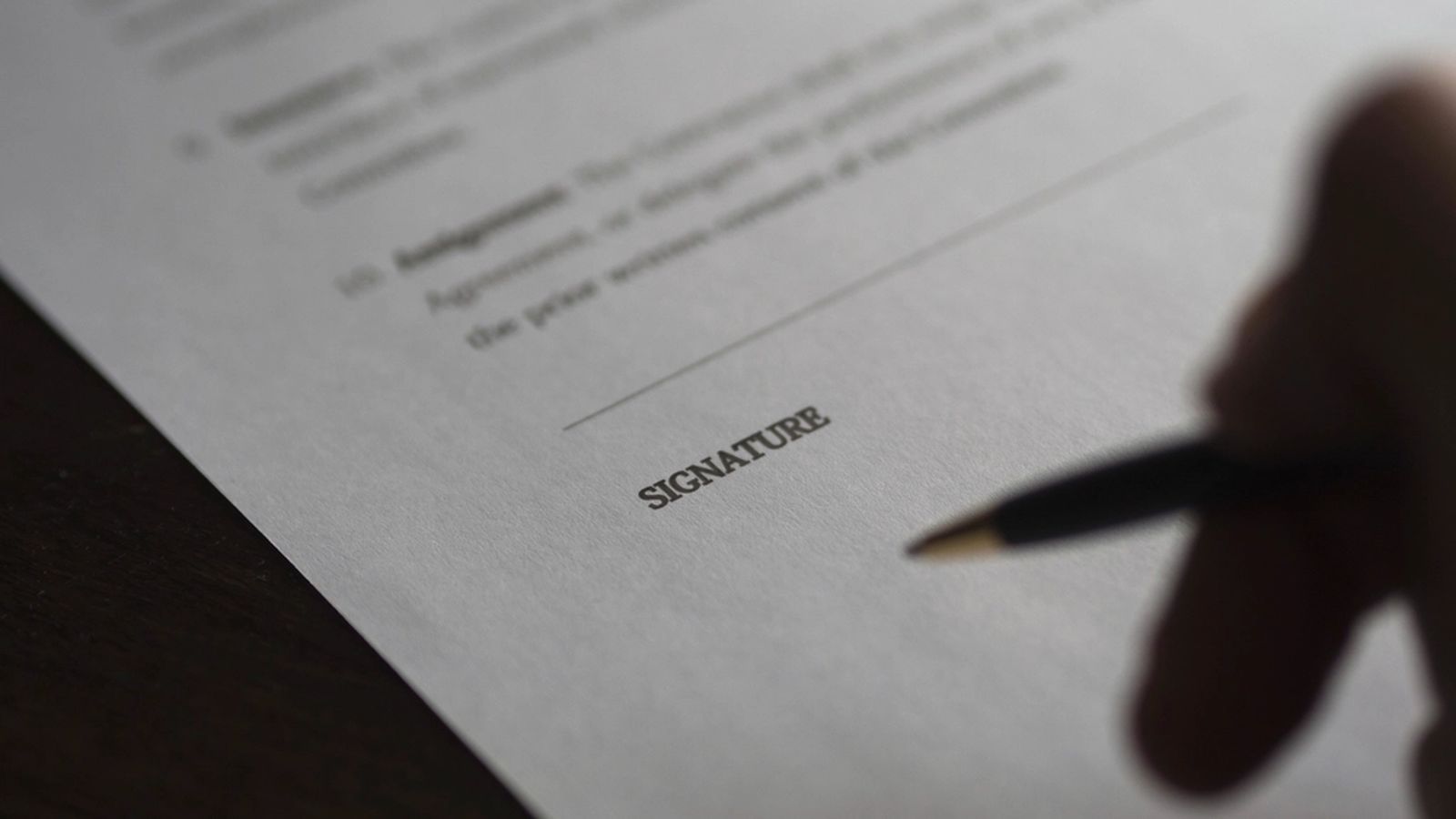
Photo : rawpixel · CC0 1.0
Updated 2026-10-19
In Morocco, many small jobs are still agreed verbally: a price over the phone, a handshake, then surprises at the end. As soon as the work goes beyond a quick repair (painting a flat, redoing a bathroom, plaster ceilings, tiling), a written quote, called a devis in French and دوفي in Darija, protects you. That matters even more if you are renovating from abroad. This guide explains what a serious quote should contain, how to compare two or three of them and which warning signs to watch for.
Why insist on a written quote?
A quote sets out in writing what the tradesperson will do, with which materials, for what price and in what timeframe. If there is a disagreement, it is your reference. Even a one-person business can write it on paper or send it on WhatsApp: what matters is that the detail is clear and that you keep a copy.
What a serious quote should contain
There is no single compulsory template for a quote between a private client and a tradesperson in Morocco, but a serious document usually includes:
- Who the tradesperson or company is: name, address, phone number, and for a company its identifiers (ICE, RC, IF)
- Your details and the exact address of the job
- The date of the quote and how long it is valid
- Line-by-line detail of the work: quantities (m², linear metres, number of points), unit price and total per line
- Materials: brand, range or reference (paint type and number of coats, pipe type, tile size)
- Who supplies what: materials included or provided by you
- Totals before tax (HT) and including tax (TTC) if the company charges VAT
- Payment terms: deposit, stage payments, balance
- Start date and expected duration
- What is excluded: rubble removal, cleaning, unforeseen repairs
HT, TTC and ICE: the tax points
Since Morocco's 2016 Finance Law, businesses must show their ICE (Identifiant Commun de l'Entreprise, the common business identifier) on invoices and documents given to clients. If you are dealing with a company, these details should appear on the final invoice.
Morocco's standard VAT rate is 20 %. A VAT-registered company may therefore quote an HT price that is well below what you will actually pay. Independent craftspeople and auto-entrepreneurs often do not charge VAT. Always ask: « is this the final price, all taxes included? »
How to compare several quotes
Comparing only the bottom line is the classic trap: the cheapest quote is often the one that left items out or assumed lower-grade materials.
- Ask two or three tradespeople to quote on the same basis: same area, same list of work, same material requirements
- Put the quotes side by side, line by line, in a simple table
- Convert to unit prices (MAD per m², per electrical point, per day) to see the real differences
- Check quantities: a quote counting 40 m² where another counts 60 m² is not comparable
- Look at exclusions: a « cheap » quote without wall preparation or rubble removal will end up costing more
- Factor in timing and availability, not just price
- Be wary of a quote far below the others and ask how they reach that price
Price benchmarks to judge a quote
To check whether a labour price makes sense, compare it with typical day rates published by specialist portals. A Moroccan construction portal listed, for example, a skilled plumber's day at roughly 300 to 550 MAD in the big cities in 2026, with lower rates in medium-sized towns and rural areas. These are only benchmarks: difficulty, access and the city change prices a lot.
Red flags
- A single overall figure with no breakdown
- A request to pay everything before work starts
- A very large deposit with no clear reason (such as buying specific materials)
- Vague wording like « quality materials » with no brand or reference
- A tradesperson who refuses to put anything in writing
- « Extras » announced verbally mid-job without a supplementary quote
During and after the work
If extra work is added along the way, ask for a short supplementary quote before it starts, even on WhatsApp. Pay as the work progresses, keep receipts and walk through the finished job with the tradesperson before paying the balance. For large amounts, ask for an invoice and use a traceable payment method (bank transfer, cheque). If you manage the work from abroad, ask for dated photos or videos at each stage before releasing a payment.
Find tradespeople to compare on AloAji
On aloaji.ma, search for the trade you need in your city (plombier, électricien, peintre, carreleur…) and contact two or three of them directly by phone or WhatsApp to ask for a quote, free of charge. Read other clients' reviews. Profiles marked « Non vérifié » are businesses found through their own website and not yet checked by AloAji: apply the same caution to them.
FAQ
Is a written quote compulsory for building work in Morocco?
Between private clients and tradespeople there is no single compulsory template, but a written quote is strongly recommended for anything beyond a small repair. It is your proof if there is a dispute.
Should I pay for a quote?
Most tradespeople quote for free. Some charge for travel or a survey on large projects, so ask before the visit.
What deposit is reasonable?
There is no fixed rule. A deposit covering materials is common; paying the full amount before work starts is not advisable.
Should the price include VAT?
If the company is VAT-registered, the quote should show HT and TTC (standard rate 20 %). A tradesperson who is not registered gives a single price. Always ask whether the quoted price is final.
What if the tradesperson asks for more than the quote?
Any extra should be agreed before it is done. If it was not, use the signed quote as the basis to discuss the amount.