
Rooftop water tanks in Morocco: installation, cleaning and upkeep
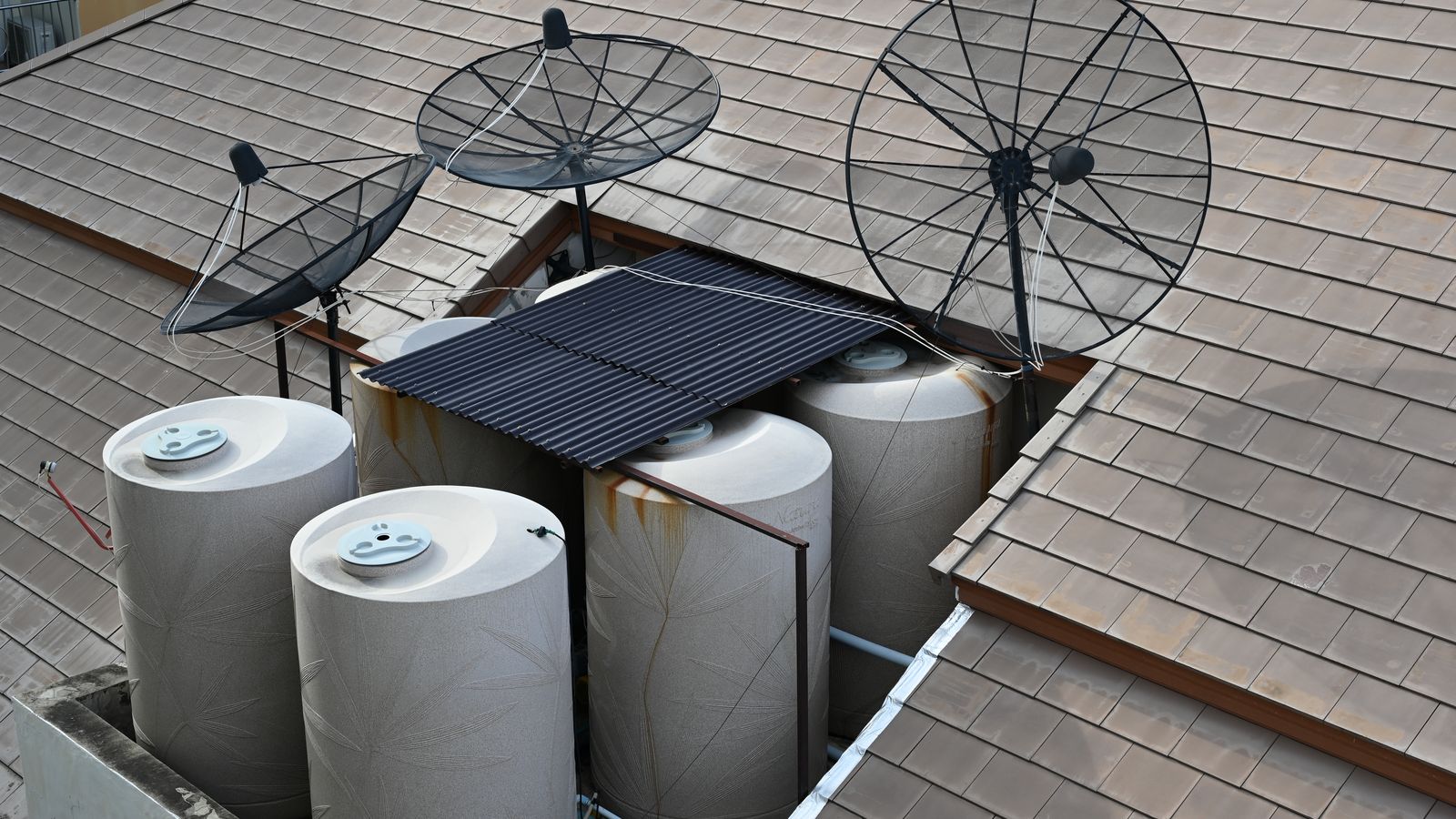
Photo : PattayaPatrol · BY-SA 4.0
Updated 2026-10-25
After several years of drought and water cuts in a number of cities, many households in Morocco now keep a water tank (citerne in French, ssahrij or "sitirna" in Darija) on the roof or terrace. Installed and maintained well, it keeps water flowing during cuts and improves pressure on upper floors. Neglected, it fills with sediment and bacteria. Here is how to choose a tank, have it installed and keep it clean, which matters even more if your property sits empty for months.
Why install a tank?
Morocco has been through several years of severe drought. Some water utilities announced scheduled cuts, for example overnight, and in some southern towns cuts lasted several days, which led residents to put tanks on their roofs.
A tank also helps when mains pressure is weak and water barely reaches the top floor or upstairs bathroom. In that case it is often paired with a small booster pump (surpresseur).
Choosing a tank
- Food-grade high-density polyethylene (PEHD/HDPE): the most common, light and easy to install. Ask for proof it is suitable for drinking water
- Opaque and dark, or shaded: a translucent tank lets light in and encourages green algae
- A tight-fitting lid with no holes, so insects, dust and birds stay out
- A drain valve at the bottom to make cleaning easier
- Avoid second-hand tanks that held non-food products such as diesel or chemicals
What does it cost?
Prices vary by brand, seller, city and delivery. As a guide, one Moroccan seller listed about 850 MAD for a plastic tank of roughly 500 litres and about 1,350 MAD for a 1,000-litre upright tank in 2026. Check whether the price includes VAT and delivery up to the roof.
For installation, many plumbers (plombier, or blombi in Darija) charge by the day or a fixed price. A Moroccan construction price portal gives about 300 to 550 MAD a day for a qualified plumber. The total depends on pipe runs, fittings, the float valve, any booster pump and roof access.
What a good installation looks like
A full 1,000-litre tank weighs about one tonne. It needs a flat, solid base, ideally over a load-bearing wall or beam. If you have doubts about an old roof slab, ask a builder (maçon) or technician before installing.
- A float valve on the inlet to stop filling when the tank is full
- Shut-off valves before and after the tank, plus a bypass so the house can run straight from the mains
- An overflow pipe led to a drain, not down the neighbour's wall
- Pipes shielded from the sun, which damages PVC and heats the water
- A booster pump if needed, with proper electrical protection
- Safe roof access for maintenance
Cleaning and disinfecting your tank step by step
There is no single official cleaning schedule for household tanks. Many professionals suggest at least once a year, and more often after a sandstorm, building work, or any change in taste or appearance. The method below follows a WHO technical note on disinfecting water tanks.
- Close the inlet and empty the tank through the drain valve
- Scrub every surface with a stiff brush and soapy water, including corners and the lid
- Rinse until no trace of detergent remains
- Disinfect with chlorine: the WHO note gives about 80 g of calcium hypochlorite (HTH) per 1,000 litres of capacity, with the tank full, left for 24 hours. With another product, follow its label
- Drain the chlorinated water away from plants and homes, refill with drinking water, leave about 30 minutes, then drain again
- Put the tank back in service and run the taps for a few minutes
Signs it needs attention
- Cloudy water, sediment or particles at the taps
- Unusual taste or smell
- Green patches inside the tank
- A broken lid or a crack in the tank
- A float valve that no longer shuts off, with the overflow running constantly
Finding a plumber for your tank with AloAji
On aloaji.ma, search for "plombier" in your city to find someone who installs or repairs tanks, float valves and booster pumps. You call or WhatsApp them directly, free of charge. Send a photo of the roof and the planned spot for a more accurate quote. If you are abroad, ask for photos after the job. Profiles marked "Non vérifié" (not verified) are businesses found on their own website that AloAji has not checked yet, so compare reviews and quotes.
FAQ
How often should a rooftop water tank be cleaned?
There is no single official rule for homes. Once a year is a sensible minimum, and more often after a sandstorm, building work or if the water tastes different.
Is water from a rooftop tank safe to drink?
Only if the tank is food-grade, closed, clean and regularly disinfected. If in doubt, use it for washing and cleaning and drink other water.
How much is a 1,000-litre tank in Morocco?
As a guide, one seller listed about 1,350 MAD for a 1,000-litre upright tank in 2026. Prices vary by brand, city and delivery.
Can my roof hold a water tank?
A full 1,000-litre tank weighs about a tonne. Put it on a solid base over a load-bearing wall and have an older slab checked first.
Why is the water in my tank turning green?
Usually because light passes through a translucent tank and algae grow. Clean and disinfect it, then shade it or replace it with an opaque tank.